
Okay, so check this out—I’ve been poking at Phantom for a while. Wow! At first glance it looks sleek and simple. My instinct said “this is smooth,” but something felt off about a few defaults and permissions. Initially I thought it was just another wallet, but then I realized Phantom’s UX and Solana integration actually change how you think about on-chain interactions if you spend real time with it.
Whoa! Seriously? The extension is fast. It pops up, signs transactions, and keeps your session tidy. But—here’s the thing—speed can hide risk, especially for newcomers who click through approvals without reading. On one hand it removes friction, though actually that very convenience makes it easier to approve small mistakes that add up.
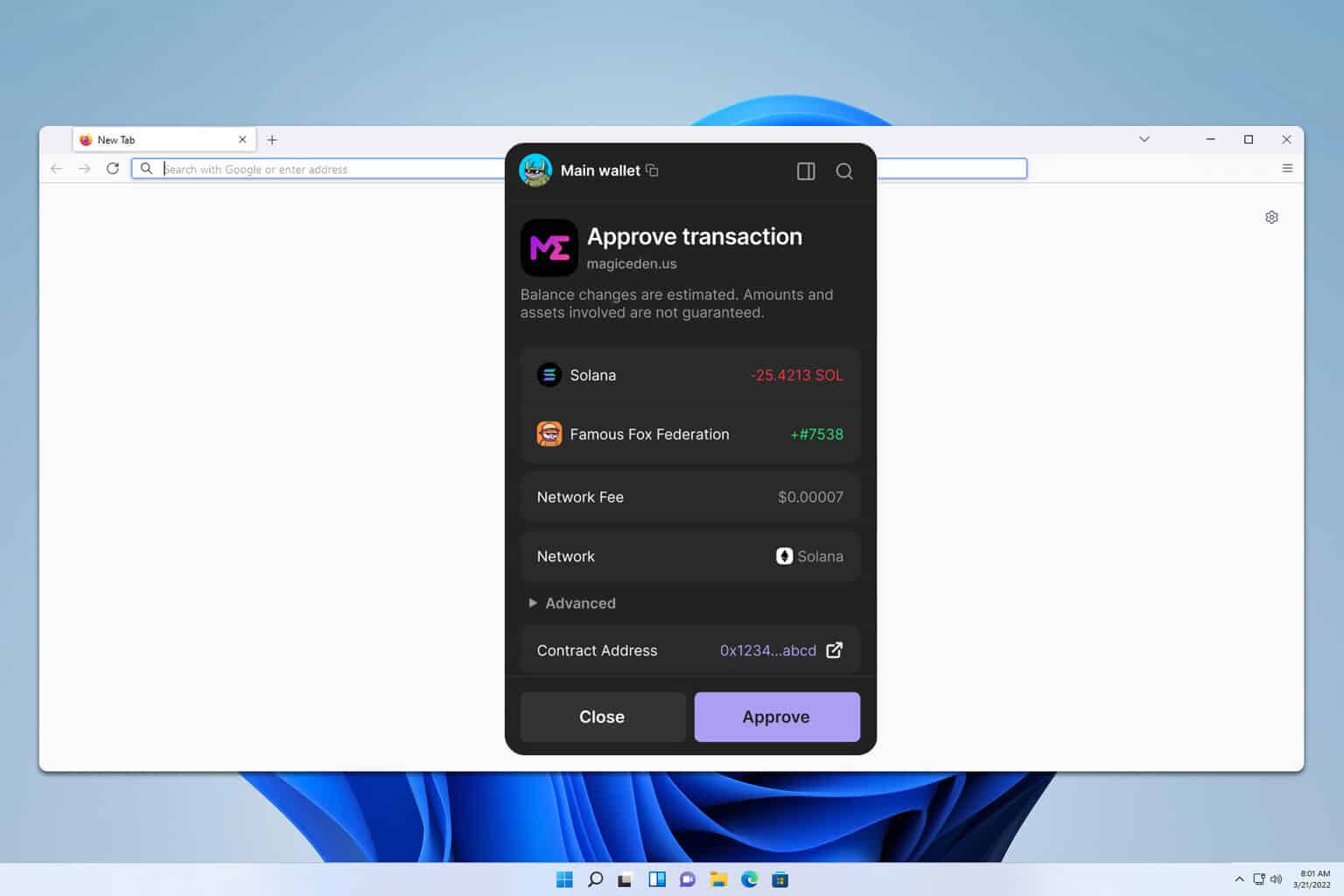
My first impressions were emotional. I liked the design. Hmm… then I noticed a permission prompt that I hadn’t thought about before. Something about the way dApps request “connect” versus “sign” got my attention. I’ll be honest: that part bugs me—users often confuse “connect” (share an address) with “approve spend” (sign a transaction).
Technical aside: Phantom signs messages and transactions on Solana using the browser extension API. The extension injects window.solana into the page. For devs that means immediate compatibility with many wallets and dApps, but for users it means the page can ask for public keys and request signatures. So read prompts. Read them twice. Really.
How I use Phantom day-to-day (and how you can, too)
Here’s a practical routine I picked up. First, I install the extension and pin it to the toolbar. Then I create a new wallet or import using a seed phrase—I prefer hardware-backed flows when possible because offline keys are cleaner, though not everyone has a Ledger handy. Really, hardware keys are the safest; if you don’t have one, at least move large balances off the hot wallet. (oh, and by the way… write your seed phrase on paper. Not a screenshot.)
Initially I thought the auto-lock was enough, but then I realized I needed to set a strict timeout and use the lock button manually when stepping away. On some sites the extension will auto-open for you—helpful, annoying—so I turn off unnecessary auto-connect prompts and tidy up permissions. That small habit saved me from accidentally approving testnet transactions as mainnet once—embarrassing but instructive.
Phantom also supports NFTs, staking, and token swaps built into the extension. The swap feature is convenient and often faster than routing through a DEX, though the best price isn’t guaranteed every time. On the other hand, the convenience is very very useful for quick moves—just be aware of slippage and fees, and check the route if you’re shifting large amounts.
Security tips that actually matter
Whoa! Short checklist incoming. Use hardware wallets for large holdings. Keep small balances in the extension only when actively trading. And never paste your seed phrase into any webpage—no matter how legit it looks. Seriously? Yes, seriously. Phishing dApps mimic UI precisely, so trust the extension’s native prompts and your own caution.
Here’s a written-out habit that helps: after connecting to a new dApp, I immediately check the URL, the domain cert, and the requested permissions. If a site asks for signature approval that doesn’t align with the action (like signing a blank message), I cancel. On one hand that’s cautious. On the other hand, most interactions are fine—though you can’t assume that by default.
Another practical tip: use multiple Phantom wallets for different purposes. One for daily swaps, one for NFTs, one for long-term holdings. It’s less elegant, but the isolation reduces blast radius when something goes wrong. I’m biased, but compartmentalization has saved me headaches more than once.
Installing Phantom (quick, practical)
If you want to try the official browser extension, you can find the download and installation steps right here: https://sites.google.com/cryptowalletextensionus.com/phantomwalletdownloadextension/. Follow the browser prompts, create or import your wallet, and pin the extension to your toolbar. Note: always verify the source and double-check that the domain is correct before entering sensitive info.
Ok, small caveat—there are many clones and fake pages. My instinct says double-check the URL, then check it again. If you get even a tiny uneasy feeling, stop. Trust your gut. My gut saved me from a scam once; you’ll want yours tuned up.
FAQ
Is Phantom safe for beginners?
Yes, it’s user-friendly and well-designed for new Solana users, but “safe” depends on your habits. Use best practices: secure seed phrase, hardware wallets for large funds, and cautious approval of signatures. The UI is clean, but UX simplicity isn’t a substitute for security awareness.
Can I use Phantom with hardware wallets?
Yes. Phantom supports Ledger devices for signing, which gives you a strong security boost. If you care about long-term custody or hold significant amounts, pairing Phantom with a Ledger is a smart move—definitely consider it.
What should I do if I suspect a phishing attempt?
Lock the wallet, disconnect the site, and revoke any active sessions where possible. Move funds to a clean wallet (ideally hardware-backed). Report the site to Phantom and to browser vendors. And don’t stress—learn from it and tighten your routines.